Strategic Materials Research Unit
he Strategic Materials Research Unit leads “materials innovation based on advanced analytical technologies” to solve key challenges in secondary batteries and hydrogen energy, which are among the “12 National Strategic Technologies,” and contributes to strengthening national competitiveness by elucidating reaction mechanisms of next-generation energy materials and establishing advanced analytical platforms integrated with AI technologies through global top strategic research groups and international collaborative research networks
연구내용
- Smart secondary batteries : Development of core technologies for environment-adaptive batteries with high/low temperature resistance and radiation resistance.
- Securing high-capacity silicon anode electrode plate technology exceeding 5.5 mAh/cm² for wearable devices for the development of high-capacity anode materials.
- Expansion of analytical technologies and planning of international collaborative research on hydrogen production and storage with European research institutions such as HUN-REN in Hungary through research on hydrogen and next-generation energy materials.
- Establishment of collaboration agendas centered in Europe including electrode materials, electrolytes, cell design, and reliability evaluation.
- Establishment of mid- and long-term collaborative research roadmaps through seminars, workshops, and researcher exchanges.
Formation of a consortium for conducting Horizon Europe projects
Organization of international workshops and researcher exchanges
Research Infrastructure
The Strategic Materials Research Unit establishes a full-cycle collaborative system covering synthesis, analysis, and property evaluation through collaboration with leading domestic and international researchers
- Global platform: Establishment of international collaborative research consortia and R&D cooperation platforms with Germany (KIT), Sweden (MAX IV), Hungary (HUN-REN), and UAE (ATRC)
- In-situ XRD and XRM analytical infrastructure enabling observation of structural changes during charge/discharge processes of secondary batteries through real-time analysis platforms
- Comprehensive analytical system enabling processes from battery cell design to electrode surface treatment, thermal characteristics, and interface stability evaluation through the establishment of characterization analysis infrastructure
- Publication of 27 papers in 2025 (including 15 papers within the top 20% of JCR)
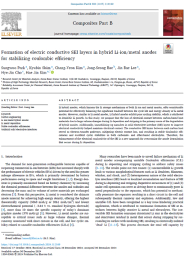
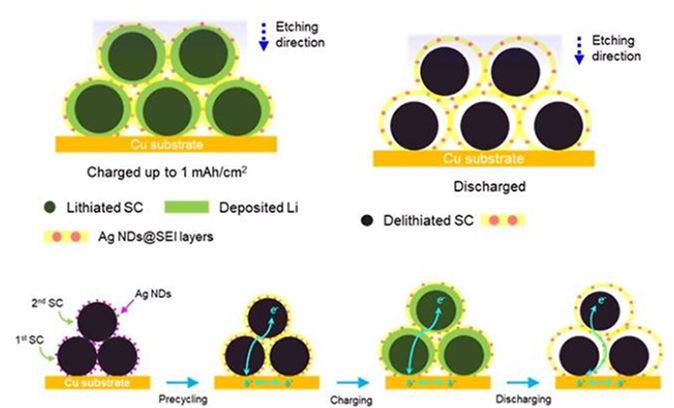
- Development of conductive SEI formation technology to suppress thermal runaway in lithium metal batteries and elucidation of its mechanism (top 2% in JCR)
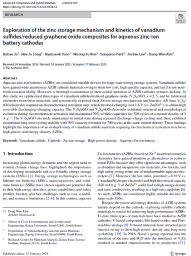
- Development of next-generation aqueous zinc secondary batteries enabling the design of high-rate cathode materials without fire risk and elucidation of reaction mechanisms (top 5% in JCR)
- Dissemination of battery design and analytical technologies across academia, industry, and research institutes through specialized training programs and research equipment academies for secondary battery research