Operation of advanced infrastructure for geochronology, environmental isotope analysis, and planetary material analysis and international joint utilization
Research Content
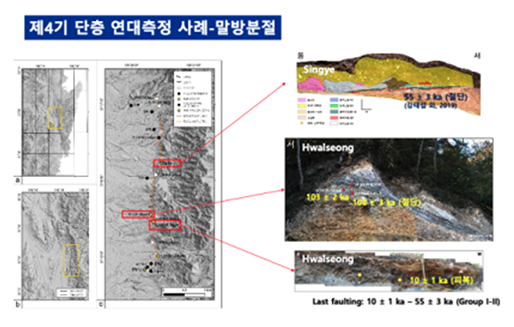
Operation of advanced infrastructure for geochronology, environmental isotope analysis, and planetary material analysis and international joint utilization. Research includes earthquake disaster response through Quaternary fault dating in the Korean Peninsula, precise analysis of solar system origin materials, autonomous laboratory development, development of space exploration analytical equipment, earth environmental research and environmental pollution identification through precision analytical technologies, and problem-solving technology development addressing social issues
Research Infrastructure
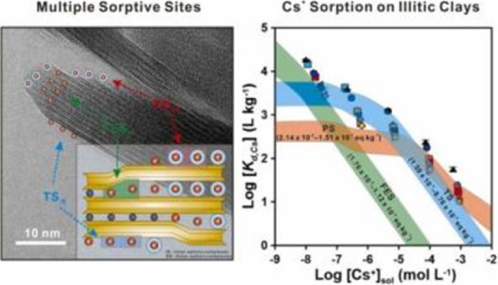
Integration of advanced infrastructure including high-resolution secondary ion mass spectrometers and isotope microscopes; one-stop geochronology research linking OSL/ESR dating systems with femtosecond laser analysis systems; and earth environmental research and environmental pollution identification through precision environmental isotope analysis technologies
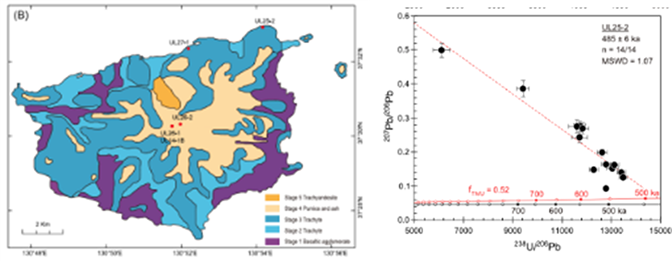
- The earth and planetary materials research field leads studies on the tectonic history of the Korean Peninsula and early solar system meteorites using world-class surface dating and isotope analysis technologies
- The luminescence dating research field uniquely leads earthquake response research through Quaternary fault dating and also leads studies in archaeology, anthropology, and cultural heritage
- The environmental sample analysis multi-process development research field leads the public and social role of government research institutes by responding to various environmental issues domestically and internationally and providing important analytical scientific data
Published in Gondwana Research, IF=6.1, top 9.2% in JCR, May 2024
IF=13.6, top 3.5% in JCR, January 2023